The Last of Us Season 2 Review: Prestige TV With Teeth
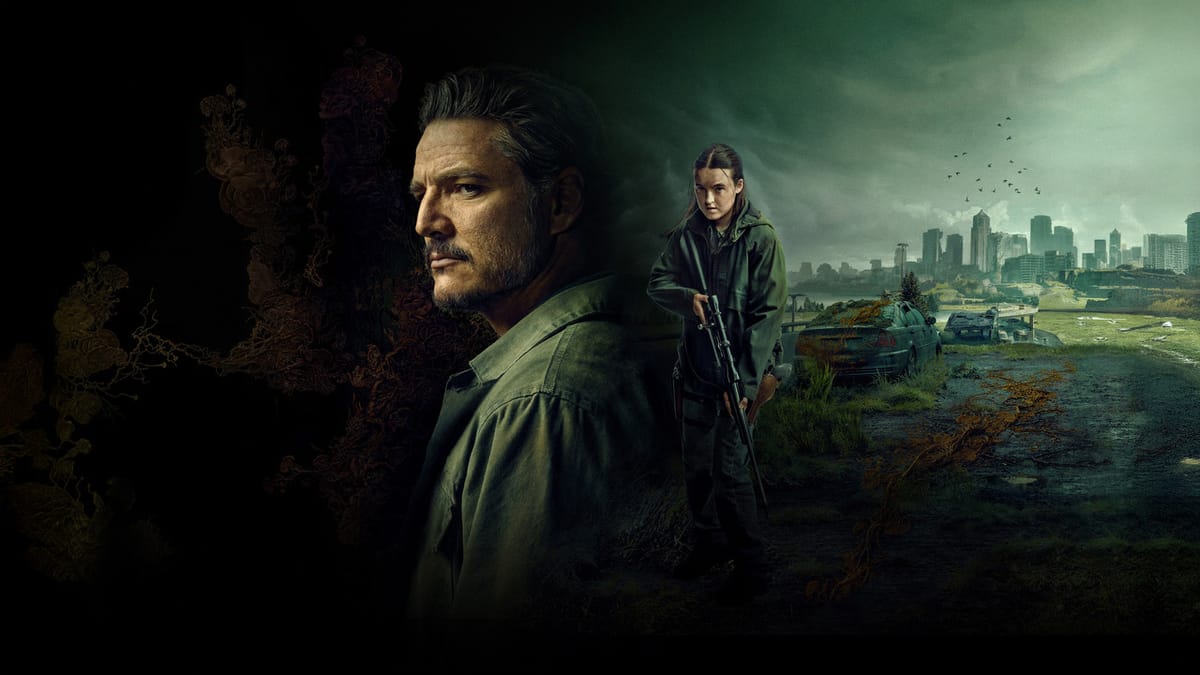
The Last of Us season 2 review: it opens like a bruise and stays that way. HBO's apocalypse drama is still prestige TV with teeth, but the real hook is not the infected or the scale. It is the way one hard look, one stalled sentence, or one actor holding grief in their jaw can do more damage than a full action set piece.
The Premise: Survival Beyond the Infected
The Last of Us still runs on a clean, brutal engine: in a ruined America, survival is never just survival. The series starts with Joel and Ellie, but what makes The Last of Us season 2 worth talking about is how that bond curdles, deepens, and keeps pulling the whole show away from generic outbreak mechanics.
This is not a lore dump or a monster parade. It is a story about what love looks like after it has been bent into something possessive, frightened, and costly. The emotional stakes matter more than the infected count. For episode lists and official updates, see HBO's official series page.
The Vibe: Silence as a Weapon
This season is colder and meaner by design. The best scenes do not announce themselves with fireworks; they tighten the room. A dinner table, a hallway, a face that realizes too late what another person is hiding — that is where The Last of Us season 2 gets its bite.
When the show stops reaching for grandeur and lets silence sit, it is electric. You feel the pressure in every pause. The performances matter more than the world-building. Post-apocalypse TV gets boring fast when every frame is just rubble plus trauma. If you want other shows that lean into tone over spectacle, see our picks for the best shows right now.
Here, the emotional temperature keeps shifting. One scene plays like guarded domestic drama; the next lands like a panic attack. The Last of Us season 2 is at its best when it trusts that tonal whiplash to carry the weight.
Who It's For: Viewers Who Want Ugly, Stubborn Drama
This lands for viewers who want genre TV with a pulse, not just production value. If you like your prestige drama a little ugly, a little stubborn, and willing to let good people act badly, this is your lane.
If you want clean heroes, easy catharsis, or infected chaos every ten minutes, this season will test your patience. It is also a strong entry point for people who never played the games. You do not need controller nostalgia to read the tension on screen.
What you do need is patience for a show that would rather twist the knife emotionally than rush to the next set piece. That choice will divide people. It is also what gives The Last of Us season 2 review its edge: viewers want to know if the show still hits, and yes, it does.
The Verdict: Bruising, Intimate Television
The Last of Us season 2 is not as clean or immediately crowd-pleasing as peak HBO Sunday-night comfort, and that is exactly why it works. The season has more abrasion in it. It wants you off balance.
When it locks into that mode, it becomes nasty, intimate television that sticks in the brain longer than smoother prestige dramas do. What keeps The Last of Us near the top of the conversation in 2026 is discipline.
The show knows the event is not the apocalypse; it is the damage people do while trying to love each other inside it. Plenty of series can build a broken world. Far fewer can make a glance across a room feel like a gunshot. This one can.
The Last of Us is prestige post-apocalypse done right: bruising, intimate, and sharp enough to make silence feel like violence.