
How Streaming Mergers Affect Viewers: 2026 Guide
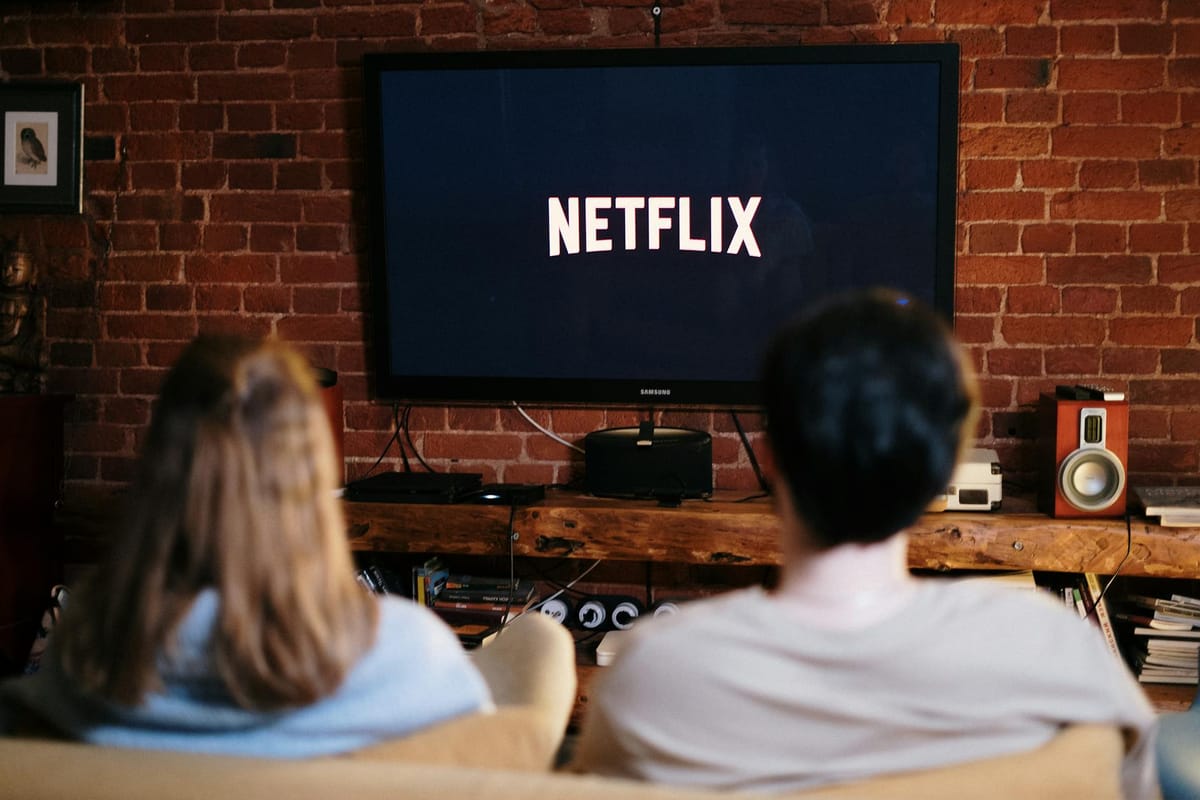
Streaming mergers directly change what you pay, what you can watch, and how easy your apps are to use. When two media companies combine, viewers typically face price updates, library shifts, new bundles, stricter account rules, and more canceled shows.
Understanding how streaming mergers affect viewers matters more than ever in 2026. A merger may bring a bigger catalog under one login, but it can also mean higher costs, missing titles, and more pressure to accept ads or premium tiers.
For most subscribers, the pattern is consistent: more convenience on paper, more trade-offs in practice. Knowing what changes first — and where the hidden costs appear — helps you protect your streaming budget before the next deal closes.
Why Streaming Mergers Happen in the First Place
Streaming mergers happen because scale matters. Running a major service is expensive. Companies pay for originals, licensed movies, app development, customer support, and advertising — all at once.
By merging, platforms aim to cut overlap, combine libraries, strengthen ad sales, and keep viewers inside one larger ecosystem. From a business standpoint, that looks efficient. From a viewer standpoint, the results are mixed.
Bigger platforms do not automatically create a better viewing experience. Sometimes they do. Sometimes they just become more powerful when setting prices and deciding what stays available.
What Companies Usually Promise
When a deal is announced, executives talk about better value, a broader catalog, smoother apps, and stronger content. The message is that viewers will get more in one place for less effort.
Some of those benefits are real. But the transition period often brings price changes, app confusion, title removals, and shifts in release strategy that matter far more to subscribers than any press release does.
What Viewers Actually Notice
Viewers rarely care about corporate logic. They care about whether the service still feels worth paying for each month.
That is the real answer to how streaming mergers affect viewers: the impact shows up in your bill, your watchlist, your recommendations, and whether your favorite show is still there next week.
How Streaming Mergers Affect Viewers Through Price and Plan Changes
The fastest way streaming mergers affect viewers is through subscription changes. Once services combine, companies rethink pricing structures, bundles, ad tiers, and annual plans almost immediately.
Sometimes a merger does create better value. Two separate subscriptions may become one package that costs less than paying for both individually. For some households, that is a genuine benefit.
But a merger also reduces competition. When fewer major services compete for your budget, price increases become easier to justify and harder to avoid. For a closer look at these shifts, see Streaming Price Changes Explained 2026: Save More.
What Price Changes Can Look Like
You might see a low-cost plan disappear, an ad-free tier jump in price, or a bundle become the only default option. Some companies use mergers to steer viewers toward plans that include sports, live channels, or partner apps.
That can be useful if you watch everything included. If not, the bundle is just a larger bill with more filler content you never open.
Why Ad Tiers Matter More After Mergers
Merged companies typically put more focus on ad-supported plans. Those tiers let them earn from subscriptions and advertising simultaneously, which improves their revenue per user.
For viewers, that usually means a wider gap between the cheapest plan and the one with the fewest interruptions. The key question is not whether a plan looks cheaper — it is whether it still fits how you actually watch.
Content Libraries May Grow, But Viewer Choice Can Still Shrink
Many people assume the best part of a merger is a larger library. That can happen. A single service may suddenly offer prestige dramas, reality hits, kids content, movies, and live programming in one place.
But how streaming mergers affect viewers is not only about size. It is also about what disappears, what gets buried, and what becomes exclusive to one platform.
Some Titles Move, and Some Vanish Quietly
After a merger, companies review their full catalog. They decide what fits the new brand, what should be licensed elsewhere, and what is not worth keeping on the platform.
That leads to quiet removals. Older films, niche series, documentaries, kids programming, and international titles are more vulnerable than major franchises. A bigger library does not guarantee better access to the shows you actually care about.
Exclusive Content Becomes More Strategic
Once multiple brands sit under one company, content becomes a retention tool. A title that once appeared across services may be pulled back and kept inside one app to make that subscription harder to cancel.
For viewers, this can make one platform feel stronger while making the rest of your streaming setup harder to simplify or reduce.
Content Discovery Can Get Worse
When catalogs expand rapidly, recommendation systems gain more control over what viewers see first. That often favors expensive originals, headline releases, and content designed to keep people subscribed longest.
You may have more titles available yet spend more time scrolling past things you do not want. If discovery gets worse, a larger catalog can feel smaller in everyday practice.
Apps, Accounts, and Household Rules Often Get Messier
A significant part of how streaming mergers affect viewers is the product experience itself. Companies do not just combine shows — they also merge apps, profiles, billing systems, and customer support tools.
That integration work can improve the service over time, but the first phase almost always creates friction for existing subscribers.
App Redesigns Can Remove Familiar Features
A new unified app may sound convenient. One search bar, one homepage, and one watchlist seem like clear upgrades on paper.
But viewers often lose small features they used every day. Subtitle settings, downloads, parental controls, continue-watching rows, and profile switching can all change during integration. Even minor interface changes feel significant when they interrupt a daily routine.
Billing and Logins Can Get Confusing
If you subscribe through a device maker, mobile carrier, or bundle partner, a merger can trigger account migration steps, plan changes, or duplicate billing issues that take time to resolve.
This is especially common when one brand is retired and folded into another service. Renewal emails and support pages may not make the transition any clearer.
Password-Sharing Rules May Tighten
Merged companies often look for quick ways to raise revenue from existing audiences. One common move is stricter household verification or paid sharing options rolled out shortly after a deal closes.
For viewers, that can feel like a hidden price increase — especially for families with students, travel schedules, or multiple homes.
How Streaming Mergers Affect the Shows That Get Made and Canceled
The longest-lasting effect of consolidation may be on the content itself. How streaming mergers affect viewers is not only about monthly cost — it also shapes what kind of entertainment gets funded in 2026 and beyond.
After a merger, new leadership typically looks for cost savings and a clearer brand identity. That narrows the kinds of projects that get approved through the development pipeline.
Safe Bets and Franchises Often Win
Large merged services tend to favor franchises, familiar intellectual property, broad-audience dramas, true crime, reality formats, and titles that travel well across international markets.
Riskier projects still happen, but niche comedies, smaller dramas, and lower-profile international series face more pressure because they are harder to defend on a larger corporate slate.
Cancellation Risk Rises During Transition Periods
A show that fit one platform's strategy may not fit the next one. New leadership teams review the slate, cut overlap, and focus on titles that match the updated brand direction.
That is why merger periods can be rough for fan-favorite series. Strong reviews do not always protect a show when the company wants fewer, bigger bets across a unified slate. This lines up with broader patterns covered in Streaming Cancellations Explained for Viewers (2026).
Release Strategy May Become More Calculated
Merged platforms may shift from full-season drops to weekly episodes, shorten season lengths, or spread major premieres across brands to reduce subscriber churn between releases.
Sometimes that improves the viewing experience. Sometimes it just keeps you subscribed for an extra month or two while you wait for the finale.
How Viewers Can Protect Value During Streaming Consolidation
You cannot control mergers, but you can respond in ways that protect your time and budget. The most effective approach is to stay flexible and treat streaming subscriptions like rotating utilities rather than permanent memberships.
Audit Your Subscriptions Every Month
Check what you actually watched in the last 30 days. If a service raised prices, lost key titles, or no longer matches your viewing habits, cancel or pause it and return when the value improves.
Subscription cycling remains one of the most practical ways to cut streaming waste without missing content you care about.
Read Renewal Notices Before They Process
Plan details can change quietly after a merger closes. Watch for added ads, removed features, higher annual rates, or bundles that silently replace your previous plan.
Do not assume your current setup is staying the same just because your app still opens without issues today. Regulators like the Federal Trade Commission also track competition and consumer issues tied to major media deals.
Keep a Watchlist Outside Any Single App
Because rights and libraries shift after consolidation, tracking your priority shows and movies in a notes app, spreadsheet, or dedicated watchlist tool keeps you in control regardless of where titles move.
That makes it easy to follow content when it migrates between platforms or disappears temporarily from one service.
Test Bundles Before Locking In Annually
If a merger creates a new bundle, compare the actual monthly value against what you currently use. The best bundle is the one you watch regularly — not the one with the longest feature list or the most brand names attached.
In a merger-heavy market, flexibility consistently beats loyalty when it comes to streaming value.
Frequently Asked Questions
How do streaming mergers affect viewers the most?
The biggest effects are typically price increases, content removals, app redesigns, and tighter account-sharing rules. Viewers may gain a larger library but often pay more or lose easy access to the titles they watched most.
Do streaming mergers make subscriptions cheaper?
Sometimes. A merger can create bundles that lower the combined cost of two separate services. But it can also lead to higher prices, fewer low-cost plan options, and stronger pushes toward ad-supported or premium tiers over time.
Can a streaming merger cause shows to disappear?
Yes. Companies routinely review their full catalog after a deal closes and remove titles that no longer fit their updated strategy, brand positioning, or subscriber retention goals. This is one of the most direct ways streaming mergers affect viewers day to day.
Why do streaming apps change after a merger?
Services combine branding, search, billing, profiles, and playback systems into one unified product. That integration can improve the app over time, but in the short term it often creates bugs, missing features, and an unfamiliar interface for existing users.
Do streaming mergers lead to more canceled shows?
They can. Merged companies typically cut overlap and concentrate resources on fewer high-priority projects, which raises cancellation risk for niche series, modest performers, and shows that do not align with the new platform's direction.
How can viewers respond when streaming services merge?
The most effective response is to audit subscriptions monthly, read renewal notices carefully, avoid long-term lock-ins during transition periods, and compare bundle value against actual usage rather than advertised features.
Final Take
Understanding how streaming mergers affect viewers comes down to one consistent pattern: corporate deals eventually show up directly in the viewing experience. They shape your bill, your library, your app, and the kinds of shows that survive each new content strategy.
Some mergers create stronger bundles and easier access under one roof. Others bring higher prices, less variety, and more friction during transition. Most deliver a mix of both over time.
If you want better value in 2026, review your plans regularly, avoid autopilot renewals, and do not assume that a bigger streaming service automatically means a better one for viewers. For practical breakdowns on platform changes, subscription strategy, and what to watch next, explore Showslab.