
How Streaming Exclusives Affect Viewers in 2026
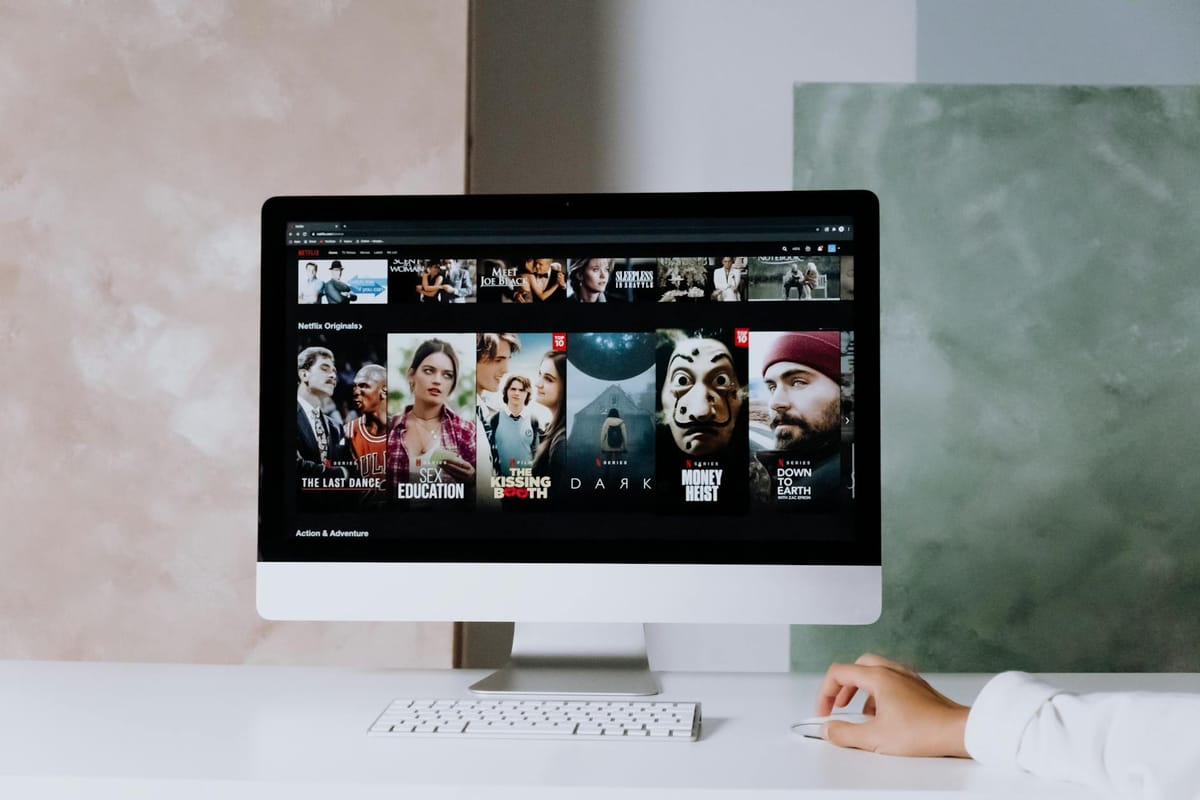
How streaming exclusives affect viewers comes down to one core tension: they make must-watch content easier to market, but harder to access. For most people, that means more subscriptions, more platform-switching, and more effort just to keep up with the shows everyone is talking about.
If you have ever joined a streaming service for one breakout series, then canceled right after the finale, you have already lived this pattern. Exclusive movies, series, spin-offs, and live events now shape where viewers spend money, how they discover new titles, and whether streaming still feels worth it.
The result is a genuine trade-off. Exclusives can fund bold originals and build real fan excitement. They can also fragment libraries, push monthly costs higher, and turn simple viewing into a planning exercise.
How Streaming Exclusives Shape Where Viewers Spend Time and Money
The most direct effect is financial. When a platform lands a high-interest original, it can shift from optional to essential overnight. If several services release major exclusives at the same time, monthly streaming budgets climb fast.
That is the clearest example of how streaming exclusives affect viewers: access is no longer about picking one service. It is about deciding which platform is worth paying for right now—and which ones can wait.
Do Streaming Exclusives Drive Subscription Stacking?
One app may carry the big franchise series. Another holds the family favorite. A third has the prestige drama dominating every conversation online. To keep up, many households stack services rather than choosing one.
This creates more choice in theory, but often less value in practice. Paying for several platforms at once can make streaming feel like a cable bundle again—just spread across separate monthly bills.
Why Churn Has Become a Normal Viewing Habit
Many viewers now subscribe, binge, and cancel on purpose. They follow titles, not brands. That strategy can save money, but it also makes the viewing experience feel more transactional than enjoyable.
Instead of settling into one service, people track release calendars, finale dates, and free-trial windows. The behavior is rational, but it adds real friction to what was supposed to be effortless entertainment.
How Streaming Exclusives Affect Discovery, Fandom, and Cultural Conversation
Exclusives do more than strain budgets. They also shape what breaks through culturally, what gets buried, and which shows become part of everyday conversation.
A strong exclusive can dominate group chats, short-form clips, review sites, and recommendation feeds. At the same time, a genuinely great series on a smaller platform may never reach the audience it deserves.
Big Exclusives Create Shared Viewing Moments
When a service launches a major original, it can feel like a cultural event. Weekly episode releases keep fan theories alive. Full-season drops fuel spoiler-heavy weekend binges. Either model builds urgency and community. Research such as Nielsen's "The Age of Streaming" report highlights how coordinated releases and major exclusives drive measurable viewing spikes and online conversation.
This is one of the better outcomes of how streaming exclusives affect viewers. Even without a shared broadcast schedule, audiences can still feel part of a communal moment around a single title.
Smaller Titles Get Buried Under Tentpole Promotions
Platforms typically promote a handful of flagship exclusives aggressively. Everything else competes for space lower in the app interface. That means smaller originals often lose visibility, even when critical reception or word of mouth is strong.
Exclusivity does not always widen real viewer choice. Sometimes it pushes attention toward a narrow set of expensive titles while quieter, better-fit shows stay hidden from the people who would love them most.
Fandom Gets Split Across Platform Paywalls
Exclusive rights can divide audiences that would otherwise watch together. Friends may not subscribe to the same services. Family members may wait until a show moves platforms, enters a bundle, or drops in price.
That weakens the social ease of watching. Instead of one broad audience discussing the same series, you get smaller pockets of fans separated by paywalls—and the shared cultural moment shrinks as a result.
How Streaming Exclusives Affect Viewer Convenience
Streaming originally sold simplicity: watch what you want, when you want, without old scheduling headaches. Exclusives helped platforms compete, but they also chipped away at that original promise.
Now, how streaming exclusives affect viewers is tied as much to access friction as to content quality. The show may be excellent. Finding it, paying for it, and timing the subscription correctly can be the frustrating part.
Cross-Platform Search Gets Harder Every Year
Many viewers know exactly what they want to watch but have no idea where it lives. A franchise film may sit on one platform, its spin-off on another, and bonus content somewhere else entirely. Rights changes only deepen the confusion.
That creates friction before anyone presses play. People spend real time checking apps, searching the web, and confirming whether a title is included in their current plan—time that used to go toward actually watching.
Account Restrictions Add Another Layer of Friction
When platforms tighten password-sharing rules or limit features by plan tier, the cost of exclusivity feels more direct. A household that once shared access freely may now need separate subscriptions to watch the same platform-specific content.
That shifts the value equation. An exclusive may still be appealing, but the path to it feels less flexible and less viewer-friendly than it did even two years ago.
Release Strategies Reshape Binge-Watching Habits
Some exclusives arrive all at once. Others roll out one episode per week. Both models change how people watch and how long they stay subscribed to a given service.
Full-season drops support fast binges and quick cancellations. Weekly drops build stronger ongoing discussion but stretch spending across a longer window. That is another practical way how streaming exclusives affect viewers shows up in real household budgets.
Can Streaming Exclusives Improve Content Quality?
Platforms invest in exclusives because originals help define the service and justify the subscription price. That competition can lead to stronger casts, sharper production values, and more ambitious storytelling. Viewers often benefit directly from that creative race.
But paying a premium changes expectations. If a heavily promoted exclusive lands as average, viewers notice fast—and they question whether the subscription was worth renewing.
Platform Competition Funds More Ambitious Storytelling
One genuine upside of exclusivity is creative focus. Services are more willing to greenlight prestige dramas, adult animation, feature documentaries, and niche genre projects if a title can help anchor the platform's identity.
For viewers, that can mean more variety and more creative risk-taking than a safer, broad-appeal model would ever support. Some of the best streaming originals exist only because a platform needed a signature title to compete.
Viewers Become Less Patient With Average Originals
There is a real trade-off here. Once a show is marketed as premium and platform-defining, audiences arrive expecting it to deliver. If it does not, disappointment lands harder than it would for a standard library title with no promotional weight behind it.
This is another useful lens on how streaming exclusives affect viewers: exclusives do not just raise platform value. They raise audience standards—and that cuts both ways.
Cancellation Anxiety Changes How Fans Engage With New Shows
Many viewers now hesitate to start a new exclusive series unless they trust the platform to support it through multiple seasons. If a show ends abruptly, fans feel like their emotional investment was wasted.
That can reduce willingness to try new originals early. Some people now wait for a second-season renewal, stronger critical consensus, or clear signs of platform commitment before they invest time in an unfamiliar exclusive.
What Viewers Can Do to Manage Streaming Exclusives Better
Viewers are not powerless in a fragmented streaming market. A few deliberate habits can lower costs, reduce frustration, and make exclusive content easier to navigate without overspending.
Rotate Subscriptions Around Priority Release Windows
Instead of keeping every service active all year, build a short watch list and subscribe around specific release windows. If one platform has several exclusives you care about this month, prioritize it now and pause another service temporarily.
Rotation is often the most effective way to control streaming costs without missing the titles that matter most to you.
Use Watchlists and Cross-Platform Tracking Tools
A basic tracker (or a well-maintained watchlist) saves both time and money. When you know where a title is streaming and exactly when a new season drops, you make fewer impulse subscriptions and fewer wasted monthly payments.
How streaming exclusives affect viewers feels far less chaotic when you have a clear plan before release day arrives rather than scrambling after the fact.
Judge Platforms by Library Depth, Not One Headline Title
One breakout exclusive can be tempting, but lasting value comes from a deeper catalog. Before subscribing, check for comfort rewatches, family-friendly options, films, or underrated series you might explore after the headline title ends.
That is how viewers avoid paying a full month's subscription for a single weekend of content—and how they find platforms genuinely worth keeping long-term.
FAQ: How Streaming Exclusives Affect Viewers
What are streaming exclusives?
Streaming exclusives are movies, series, documentaries, or live events available on only one platform. Services use them to attract new subscribers and differentiate themselves from competitors in a crowded market.
How do streaming exclusives affect viewers financially?
They often increase overall costs because popular titles are split across multiple services. Many viewers respond by rotating subscriptions strategically or canceling immediately after finishing a specific exclusive series.
Do streaming exclusives actually improve content quality?
They can. Platforms tend to invest more heavily in exclusives that help define the brand and justify the subscription price. That said, larger budgets do not guarantee better storytelling, so quality varies significantly from title to title.
Why do streaming exclusives make content discovery harder?
Because strong titles are spread across different apps with no unified search layer. Viewers often need to check multiple services to locate a specific show, and smaller exclusives frequently get buried beneath bigger promotional priorities within each platform's interface.
Are streaming exclusives bad for viewers overall?
Not entirely. They can produce exciting original programming and build strong fan communities around shared viewing experiences. The main downsides are library fragmentation, higher combined subscription costs, and the extra effort required to track where content actually lives.
How has the streaming exclusive model changed viewer behavior in 2026?
Viewers in 2026 are more strategic and less loyal to individual platforms. Deliberate subscription rotation, watchlist planning, and waiting for second-season renewals before committing to a new show have all become standard habits driven directly by the exclusive content model.
Final Take: Weighing the Real Impact of Streaming Exclusives
How streaming exclusives affect viewers comes down to a clear trade-off: more standout content, less simple access. Exclusives give platforms a distinct identity, generate cultural buzz, and help fund ambitious originals that might not exist otherwise. They also split libraries, complicate discovery, and put steady pressure on monthly household budgets.
For most viewers, the smartest approach is not chasing every exclusive. It is choosing services with genuine library depth, rotating subscriptions around what matters most, and staying intentional about where the money goes. If you want help deciding which platforms are actually worth your time and money in 2026, explore more streaming guides and comparisons on Showslab.